
Choosing one “intense” passage was really difficult, as so many passages express such intense emotion and/or action.
In the end I decided on the incident of the doll throwing (54-55):
“I felt an unbearable sorrow….But that day I learned a skill at which I later excelled. I held back my despair…so that Lila said to me, in dialect, ‘You don’t care about her?’…I was as if strangled by two agonies…the loss of the doll [or] the loss of Lila.”
The narrator then throws Nu, Lila’s doll, into the cellar after Tina.
This is the beginning of the girls’ friendship, and what a beginning.
I see a few themes here: the two girls’ duality, so different yet so alike in their being smarter than just about anyone else (while Lila is indisputably the genius); the dissolving of boundaries (“What you do I do”); the embrace or rejection of theatricality; the competition and spite that exist in every female friendship; a choice that is no choice, because it is only between “two agonies,” when life is bleak and no one gets anywhere because the past is stronger than the future.
Professor Porcelli/Stefania said in class this week that display is a theme for Ferrante. Those who leave don’t like the theatrical. Lenù, the narrator, is definitely in that category, even though you could say that her throwing Nu down the hole is theatrical, just like Lila’s gesture of throwing Tina is. But Lenù’s a pragmatist. She discovers that she has a skill for hiding her feelings, which is going to be key in her survival no matter what, and, what’s more, she’s going to discover that only leaving gives her a joyful feeling of the unknown, a freedom, a feeling so unlike going down into Don Achille’s cellar (75). Yet, without Lila, she would never succeed in leaving.
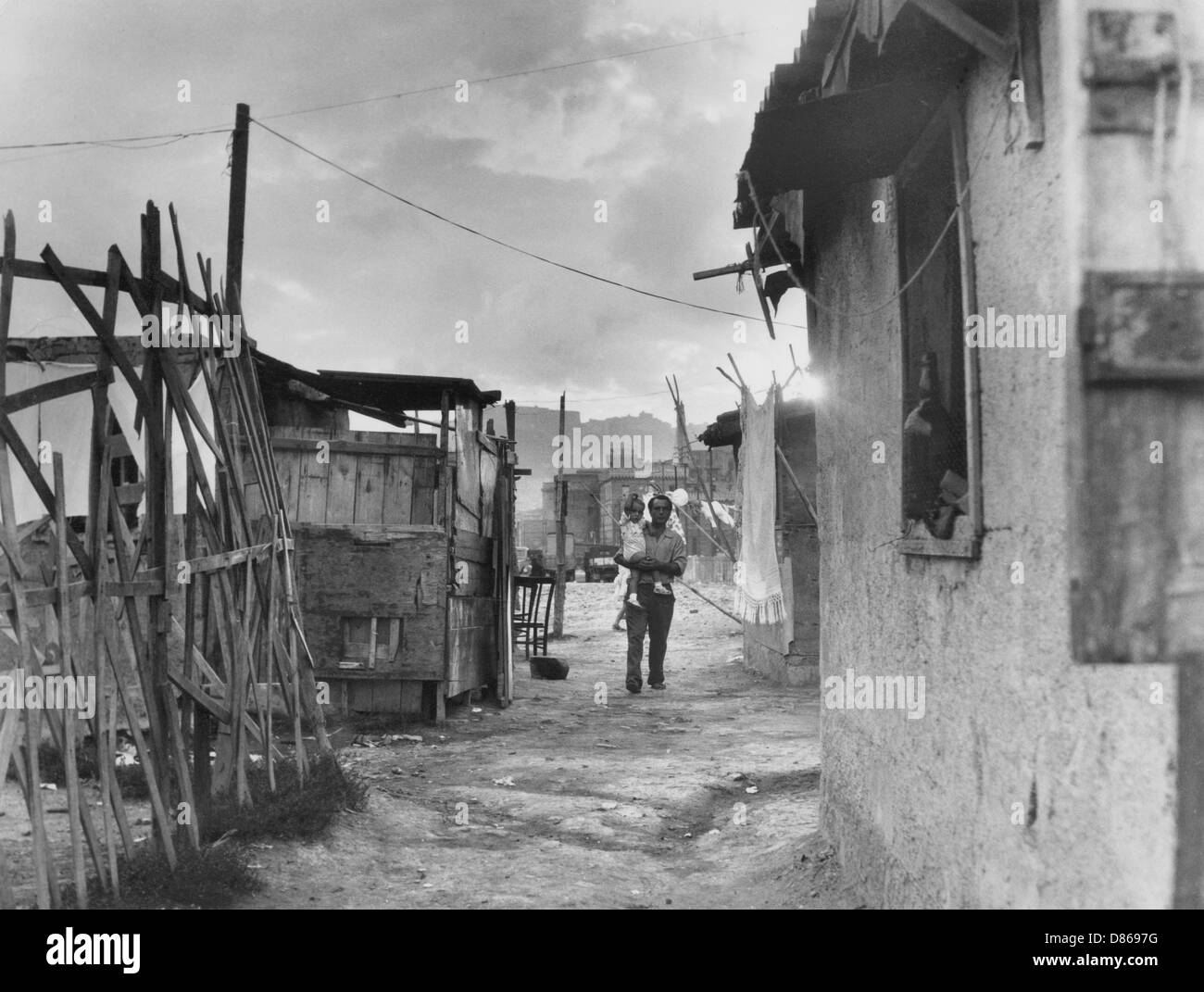
I want to add one thought about the Benjamin essay. I object to his use of the word “barbarism” (167). Only the petty criminals and camorristi in this novel are barbaric. The reader gets to see the characters and setting from the inside, which Benjamin obviously never got to do when he went to Naples. It’s all just exotic to him.


Anne thank you for your informative post. My interpretation of “barbarism” is Benjamin’s reference to the Catholic Church and of Naples former Bishop Alfonso de Liguori influence of the city. It is an understandable criticism or observation from someone who is not Catholic.